A Gift of Moldovan Brandy: My First Taste of Divin
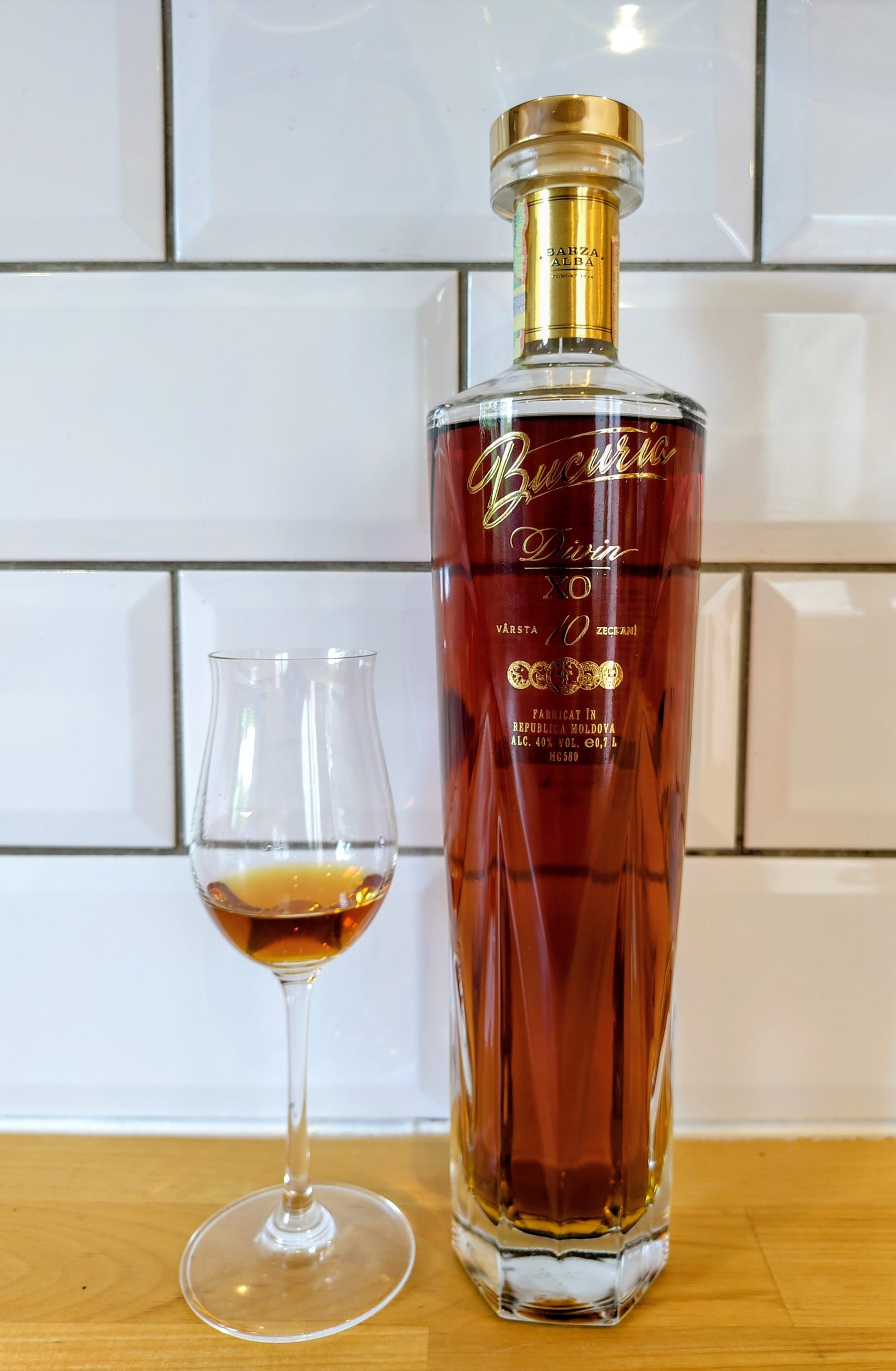
Drinks have this wonderful ability to connect and bring people together in the most unlikely ways. This is how I ended up with a bottle of Moldovan brandy. The story starts with a world whisky article I wrote, where I featured a whisky from neighbouring Romania. My wife's Moldovan colleague picked up a bottle of Romanian whisky off the back of my article. I was thrilled it resonated with them and that was that. Until my wife said one day she had a bottle of Moldovan brandy for me. Her colleague had visited family in Moldova, and brought back with them a striking bottle of Bucuria XO brandy from the Barza Albă distillery as a gift. Such a beautiful gesture shows there is more to spirits than alcohol. They are a language of their own.
Up to this point I had never tried Moldovan brandy, though I learnt they have been making it since 1896 and have a rich wine and agricultural heritage. Moldova has the highest density of vineyards in the world, with their wine gaining wider recognition. They have the Mileștii Mici wine cellar, an underground network that stretches 250km and holds two million bottles, the largest wine collection in the world. Yet there is little written about their brandy. For a significant period of time the bulk of their output stayed within the Soviet Union and later Russia, which may explain the lack of awareness. The Barza Albă distillery was founded in 1944 and has stocks of brandy up to 70 years old.
In Moldova, grape brandy is called Divin. The Geographical Indication (GI) for Divin has been in force within the EU since 2016. It has a character distinct from other brandy-making regions, with a balance of herbaceous, floral and spice notes. The regulations permit Divin to be produced anywhere in Moldova, aged in oak for at least three years and made with European and native grape varieties.
Bucuria XO is 10 years old, bottled at 40% ABV and aged in French and Bulgarian oak. It is made from three grape varieties, each with its own role. Aligoté, clean and acidic, is the backbone. Rkatsiteli adds structure and spice. Fetească Albă brings a wildflower perfume. The GI requires XO to rest for six months after blending, adding textural richness and integration. The nose opens with toffee, white pepper and cinnamon, with vine leaves and fresh oak behind. On the palate, peppery spice leads, with toffee apple, wildflowers and dark chocolate carried on a supple, mouthcoating texture. Bay leaf adds a herbaceous thread, with hints of old books and musk. The finish is long: spice first, then chocolate and bay leaf return. The balance of spice and chocolate makes it well suited to pairing with a dessert.
While researching this article I came across a Moldovan dessert called plăcintă cu mere (Moldovan apple strudel), which sounded like the perfect moment for this brandy. I adapted the recipe and baked it myself, soaking the raisins in Divin, which made the pairing all the more special. This was a great first experience of Moldovan brandy. It was the result of a touching gesture, one which allowed me to not only experience a new spirit but also learn more about a culture and their cuisine. Moldova is making quality brandy which I hope is soon available in the UK.
You can find a breakdown of the rules for making Divin here.