Whisky Discovery in the Age of the Algorithm
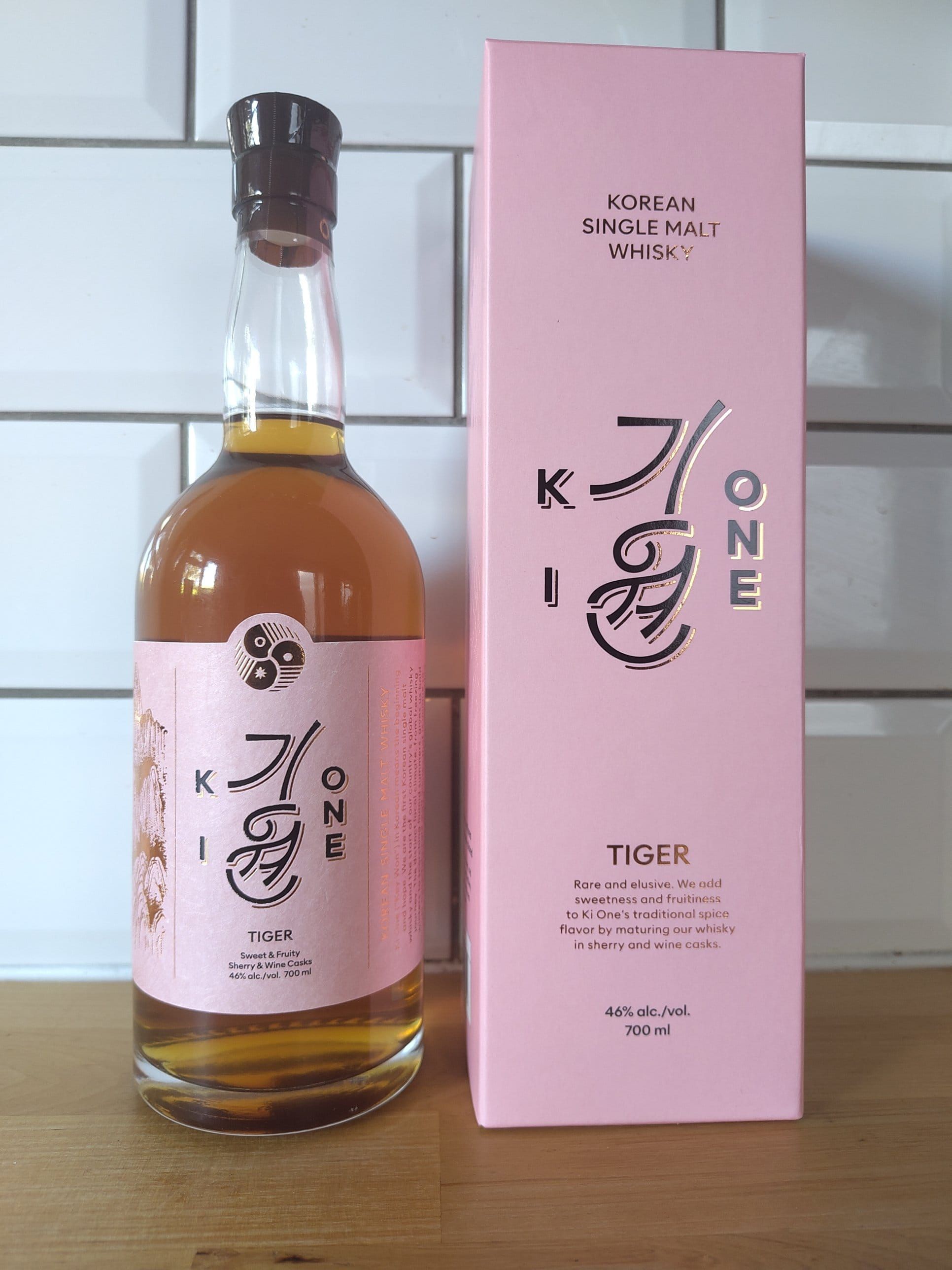
Speaking with a friend the other day made me think of the phrase, ‘control the menu, control the choice’. They wanted to gift someone a bottle of whisky under £100 and didn’t know their preferences - textbook challenge accepted. As I thought it through, my attention turned from the bottles to how whisky is recommended. Here's what I suggested:
- Loch Lomond 18 Year Old
- Arran 14 Year Old
- Nc'nean Huntress Malted Teacake Limited Edition
- Cotswolds Founder's Choice
- Ki One Tiger Edition
Without going through each bottle, I opted for a fruit-sweet flavour arc. I wanted to represent a variety of styles on this arc which reflected whisky as I see it: flavour first, modern and global. Though for a brief moment there was this pull to opt for safe, familiar choices - the equivalent of suggesting Microsoft. This idea of controlling the menu and toplists came back to me. I realised suggesting more well-known bottles was actually about protecting me and not the recipient. At that point you forsake your own taste for the safety of consensus, eroding what differentiates us from AI.
I couldn’t imagine whisky from England or South Korea being recommended by AI - nor a limited edition organic single malt whisky for that matter. It occurred to me that as more people use AI they will use it for everyday tasks such as buying whisky. My curiosity was piqued, so I gave Claude the same brief I’d been given and here is what it suggested:
- Redbreast 12
- Nikka From The Barrel
- Glendronach 12
- Glenfarclas 15
- Springbank 10
These are five solid bottles. What’s interesting is what the list reveals. I’ve been gifted Nikka From The Barrel at least three times by friends and family over the years. It’s great, though how do we experience new and different bottles if we keep reaching for the same familiar picks? The AI list could have been written 10 years ago. AI can only recommend bottles that have already been written about enough times to register. As a result it will always arrive after the interesting moment. It has in effect inherited the consensus, reflecting the drinks industry back to itself.
The proliferation of SEO-friendly drinks writing illustrates the demise of discovery for the casual enthusiast. The toplist article format is the menu controlling the choice. The bottles that get sampled and reviewed are the bottles which get listed. Write toplists for the algorithm, rank highly in search results, the clicks compound and the ad revenue flows. Now, when Google shows an AI Overview, click-throughs to websites drop by as much as 61%. People aren’t clicking through; the Overview has in a sense ‘perfected’ the toplist.
In the emerging AI age, the skill of drinks writers and communicators will lie in curation and taste, arguing from a particular perspective and engaging people through it. AI can churn out toplists, the best X or the top five Y. That format will give way to considered selection and informed recommendations. This is where discovery lives: a new distillery or an unusual flavour profile. New and emerging whisky brands could only dream of one of their bottles being gifted three times to the same person.
My friend bought the Ki One Tiger. If we don't suggest new things, the pool of recommended whisky only shrinks. We need to respect people's intelligence, and give them the opportunity to discover a wider range of delicious whisky.